
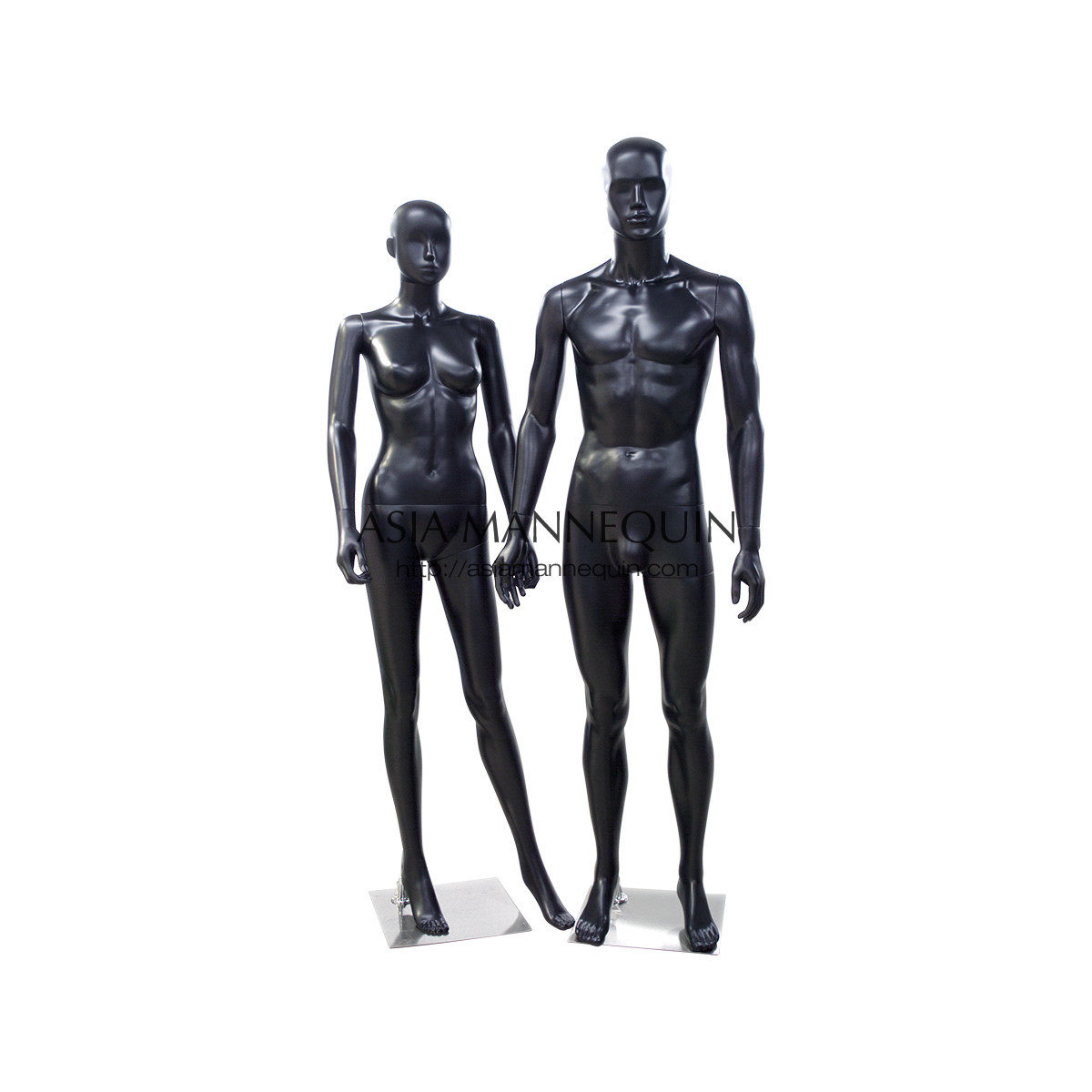
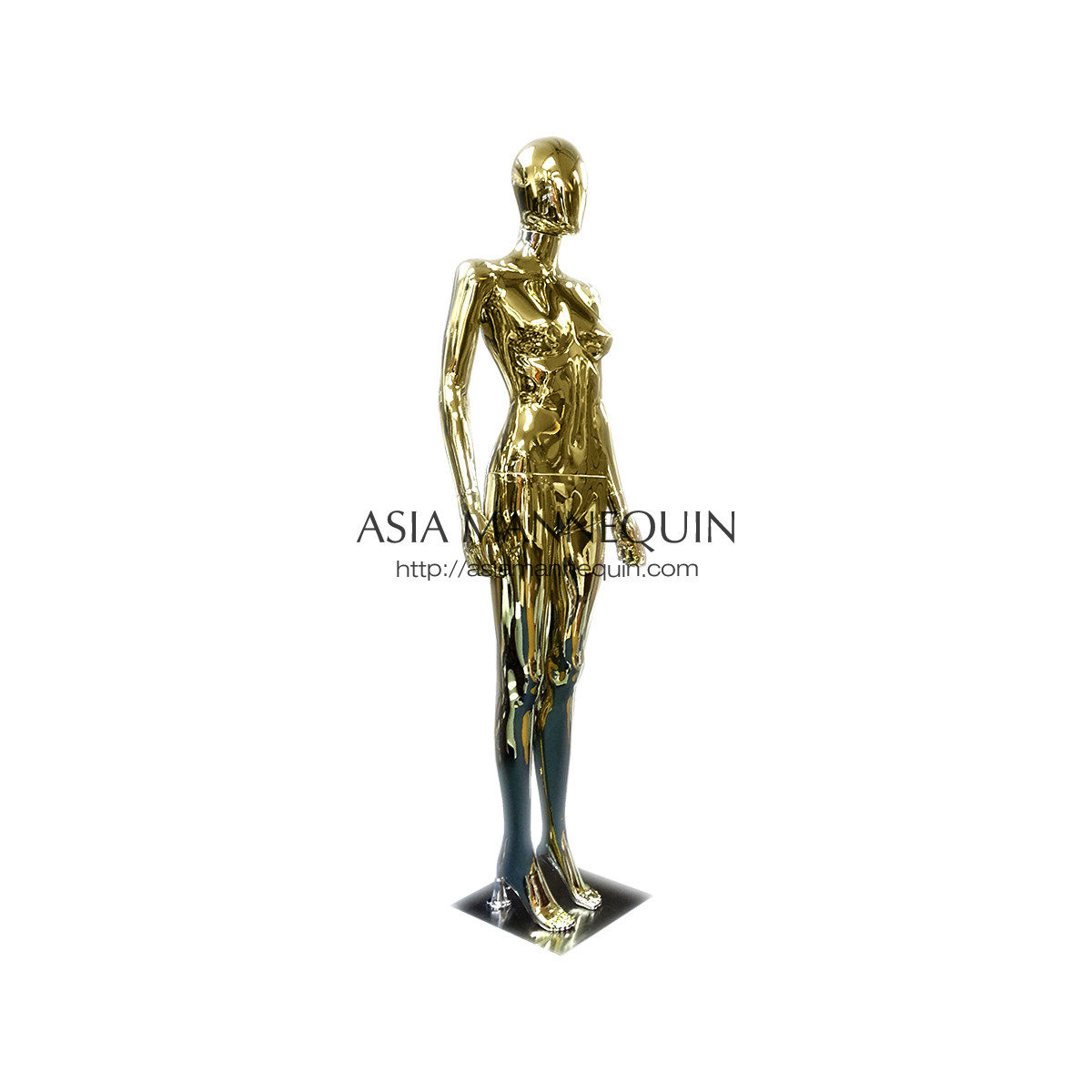
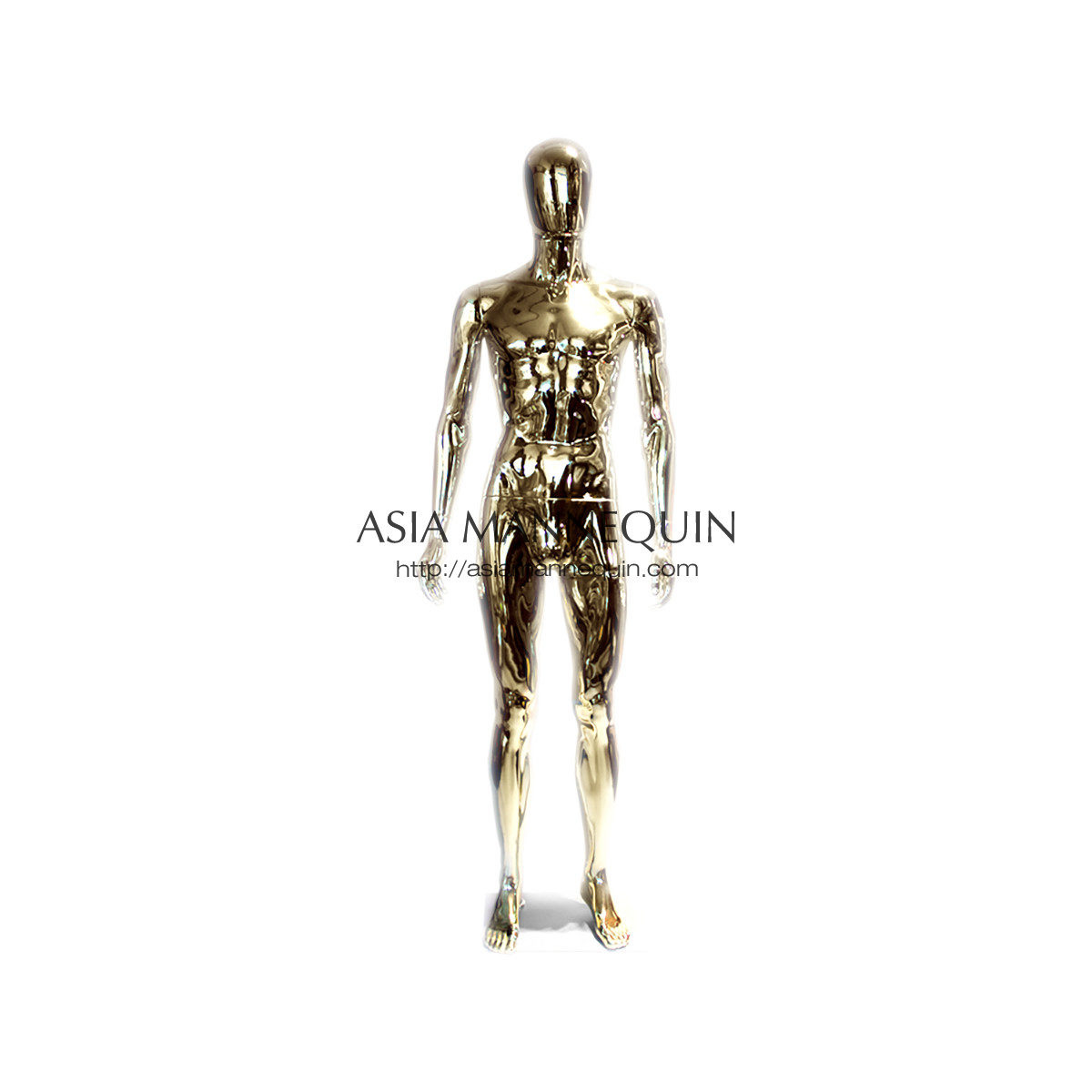
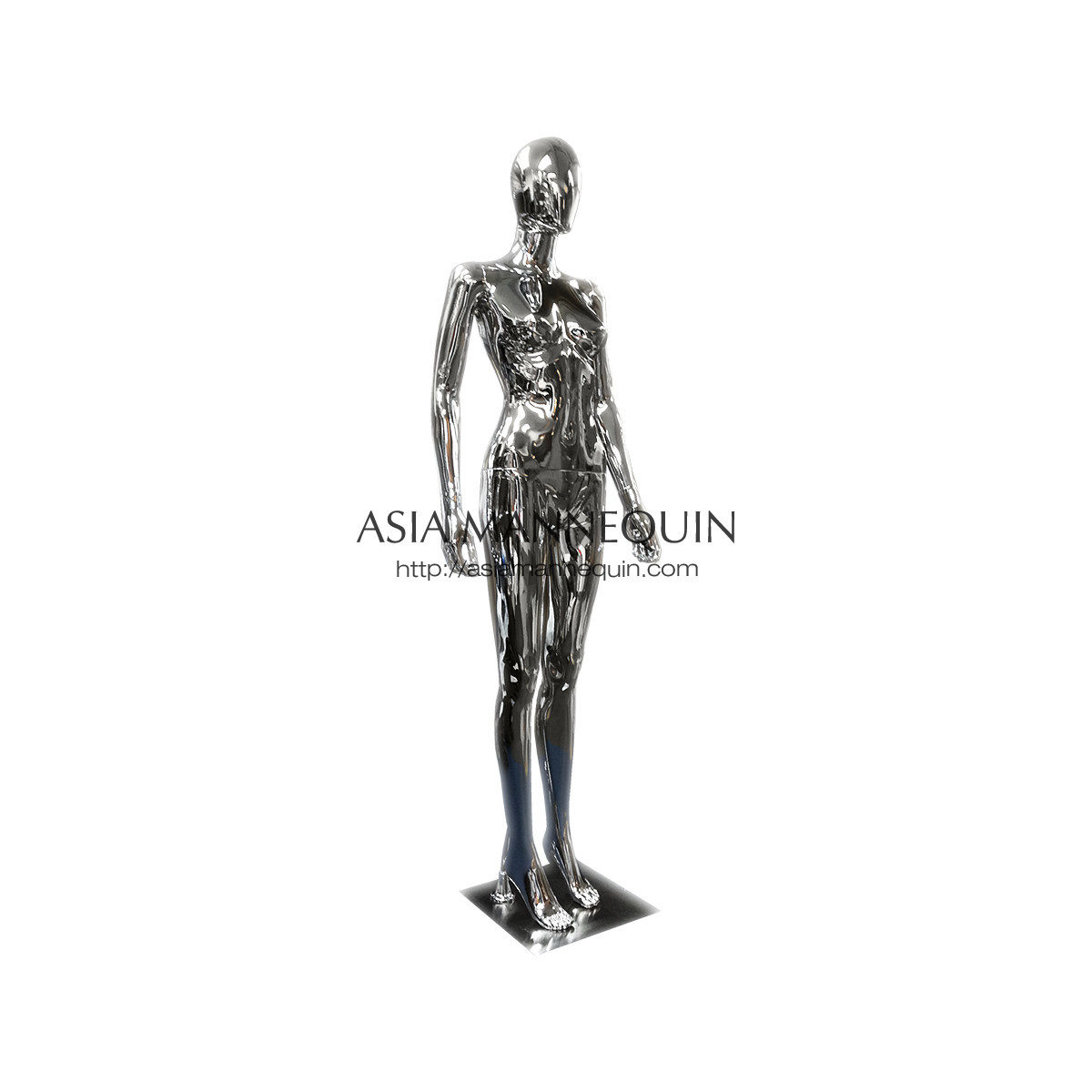
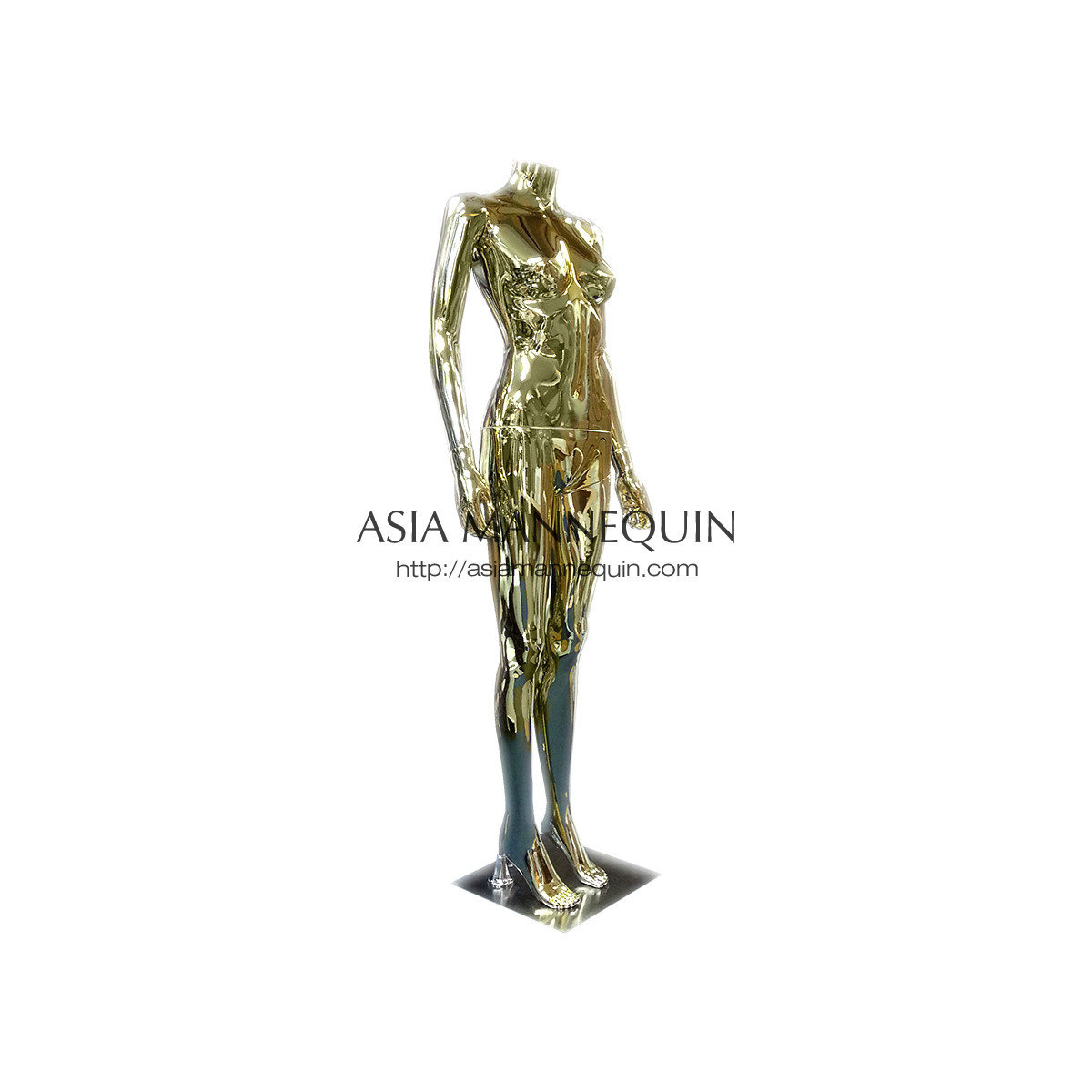
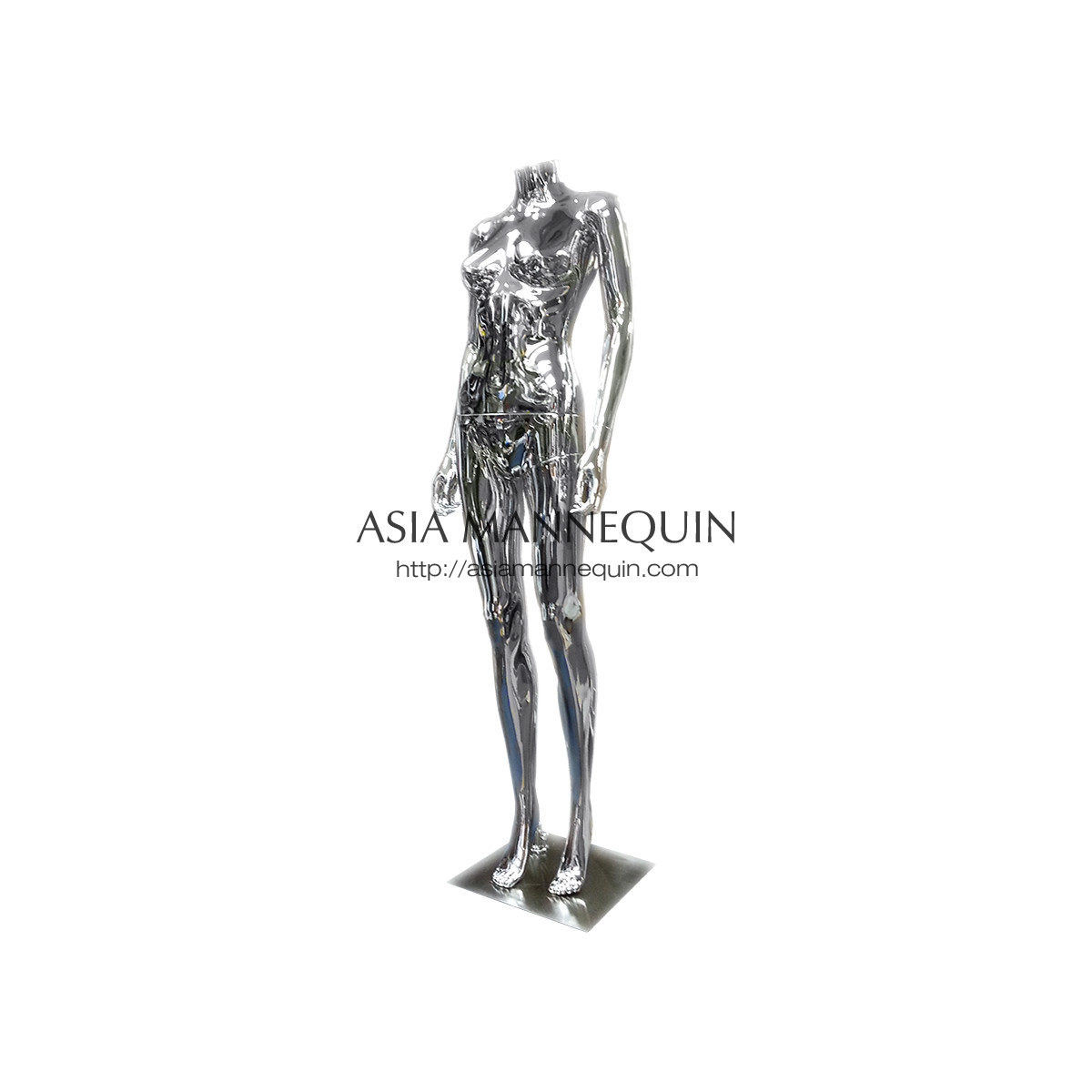
Full-body mannequins show a complete outfit from head to toe. Headless mannequins keep the shopper’s eyes on the clothes and cost less to maintain. Half-body mannequins take up less space and work best for a single garment or accessory. Which one you need depends on what you are selling, how much floor space you have, and who restocks the display.
The usual problem. You buy the mannequin that looks best in the showroom, not the one that fits the job. Then the full-body figure eats half the floor, or the torso form undersells your best outfit. Match the form to the garment and the space first, and the choice gets easy.
The quick answer
- Selling a full outfit or a styled look? Use a full-body mannequin.
- Selling separates, need low upkeep, want a clean look? Use a headless mannequin.
- Selling shirts, blazers, jewelry, or working a small counter? Use a half-body mannequin.
Full-body mannequins: when the whole look matters
A full-body mannequin shows an outfit the way a shopper will actually wear it. That matters for window displays, flagship stores, and any spot where you want a look to stop foot traffic.
These mannequins take the most floor space and the most work to dress. If yours has a realistic head, budget time for a wig and light makeup upkeep, and expect it to need re-styling more often to stay sharp. For stores built around complete looks, a dress with a jacket, a bag, and shoes as one story, that upkeep pays for itself.
Headless mannequins: the fashion-forward default
A headless mannequin has a body but no face. Some also skip the arms. This is now the standard choice in a lot of boutiques and department stores, and for a simple reason: no face means no wig, no makeup, and less time spent making the mannequin look right before the clothes even go on.
Removing the head also removes a distraction. Shoppers look at the garment, not a face. Headless forms are quicker to dress and redress, which matters if you turn over window displays every season or every few weeks.
If you want the full silhouette of an outfit without the full upkeep of a realistic head, this is the middle ground.
Half-body mannequins: small footprint, one garment at a time
A half-body mannequin is a torso, usually waist-up, mounted on a pedestal or a wall bracket. It is built for one job: showing a single piece of clothing or an accessory clearly, in a small space.
These work well on counters, in small boutiques, at pop-up stalls, or anywhere floor space is tight. They are also the standard tool for tailors and alteration counters, since a torso form shows fit and construction without needing a full body.
If you are showing shirts, blouses, blazers, scarves, or jewelry, and you do not have room or need for a full standing display, a half-body form does the job with less cost and less storage.
How to decide
Ask three questions before you order:
- Are you showing a full outfit, or one garment?
- How much floor space can this display actually take?
- Who restocks the display, and how often?
A full outfit story needs a full-body form. A single garment on a tight counter needs a half-body form. Everything in between, especially if you change displays often, tends to land on headless.
Keeping any mannequin looking sharp
A few basics apply no matter which format you choose. Keep mannequins out of direct sun, since some finishes fade or yellow with long exposure. Dust the surface regularly rather than letting it build up. Lift and move mannequins by the body, not by a single pinned or jointed point, since that is where damage usually starts. Check joints and screws every so often, since normal handling loosens them over time. And fit the mannequin to the garment size you are displaying: a garment pulled too tight across a form puts ongoing stress on both the seams and the mannequin’s joints.
Get the right form for the job
Full-body, headless, or half-body, the range below covers all three. Add what fits your floor to your quote and we will take it from there.


