
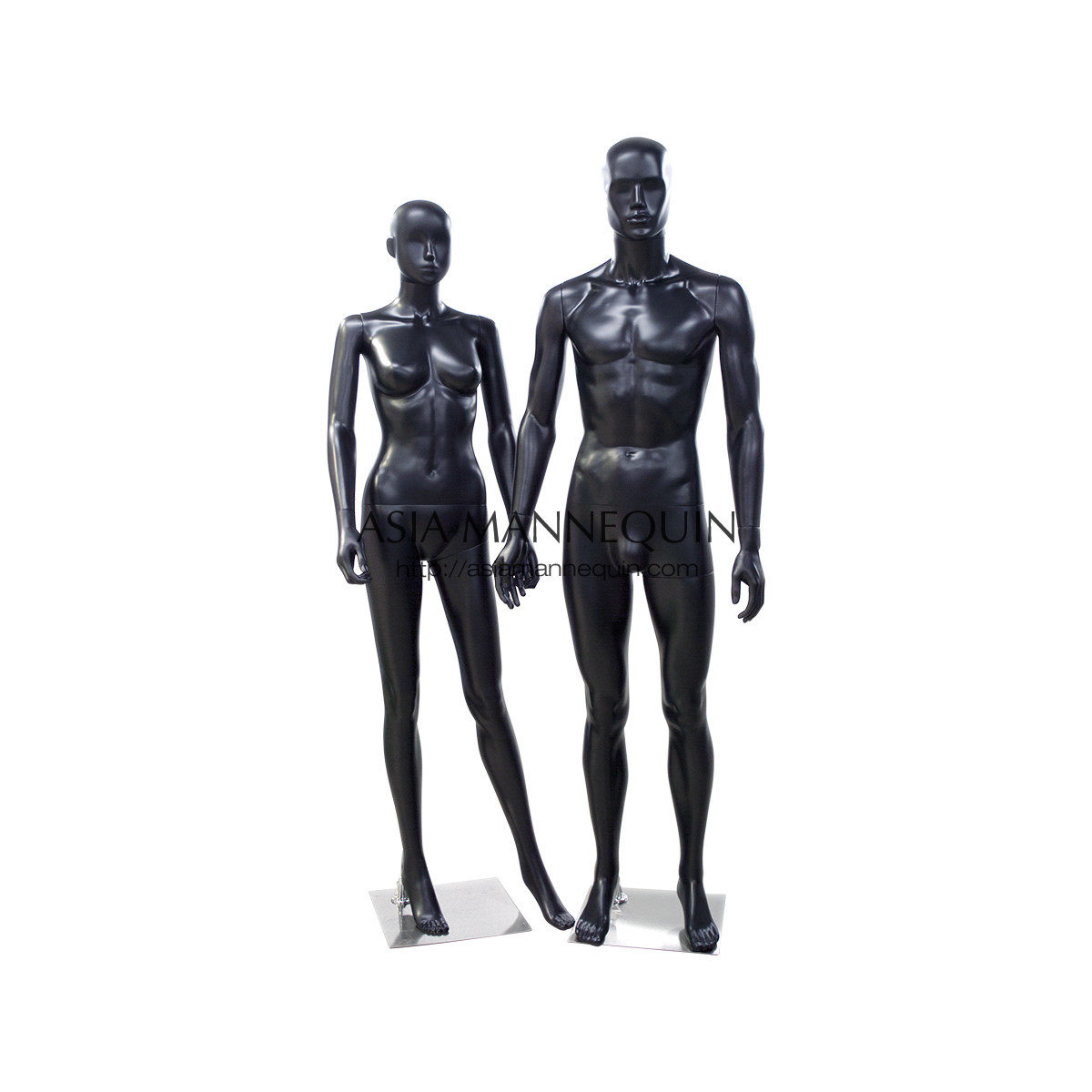
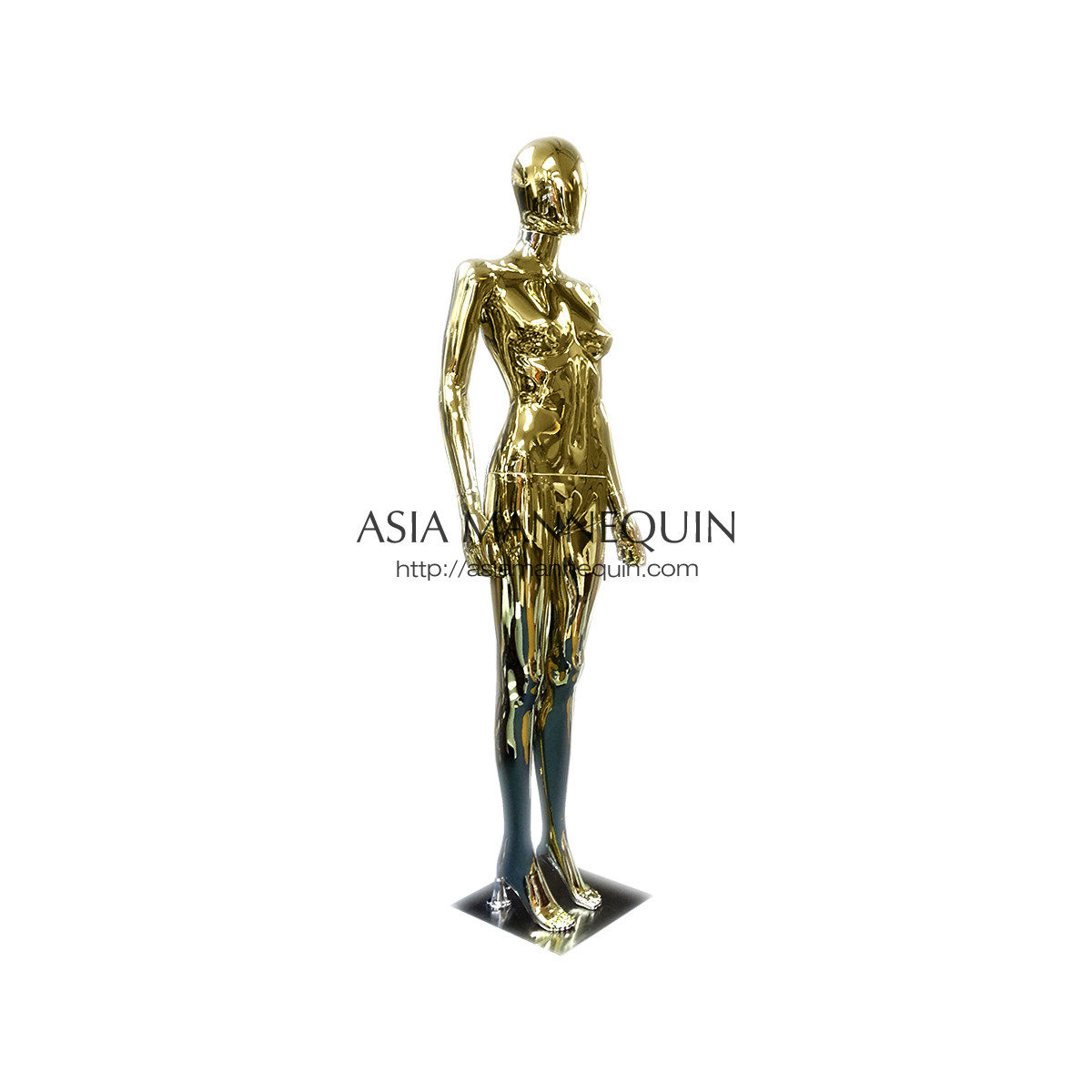
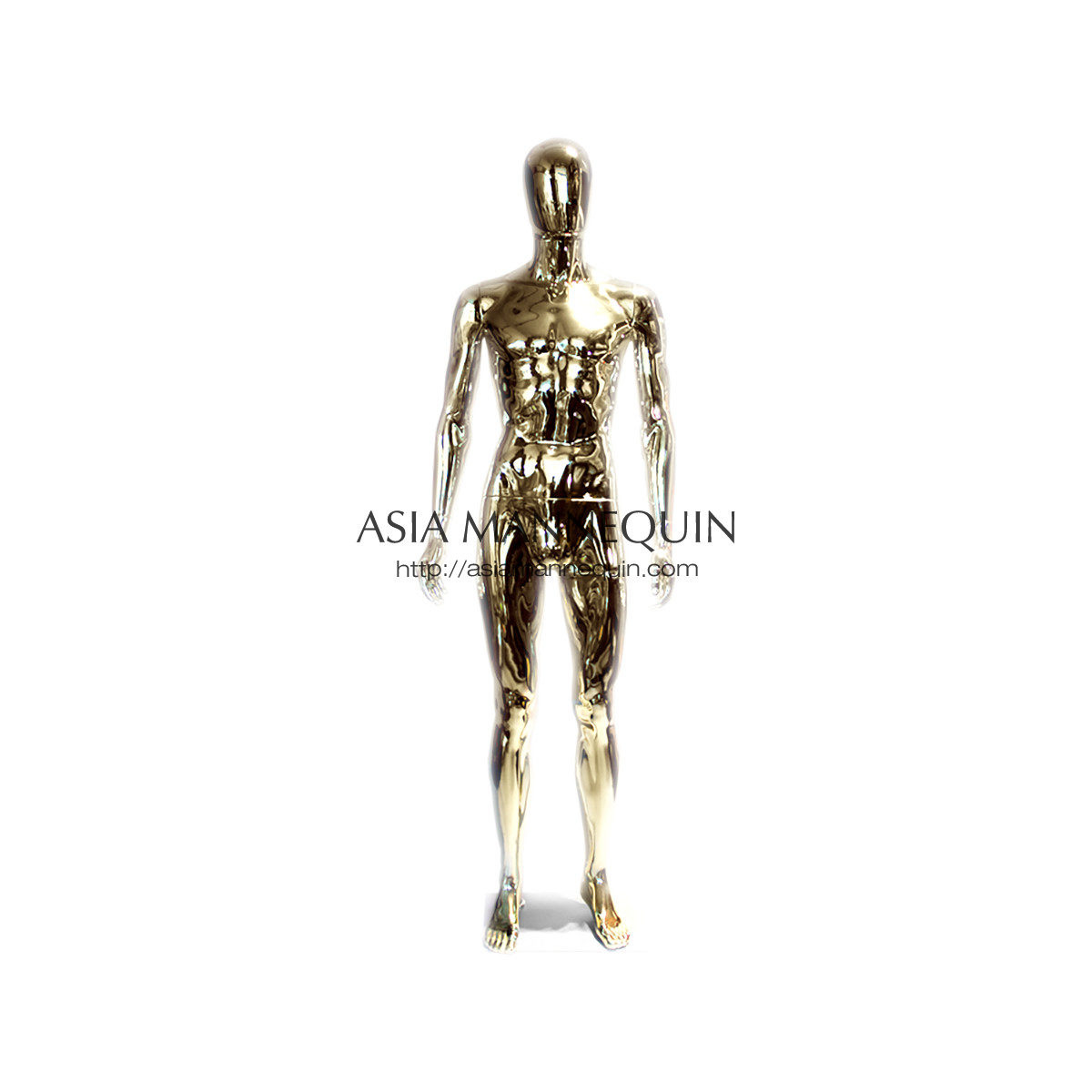
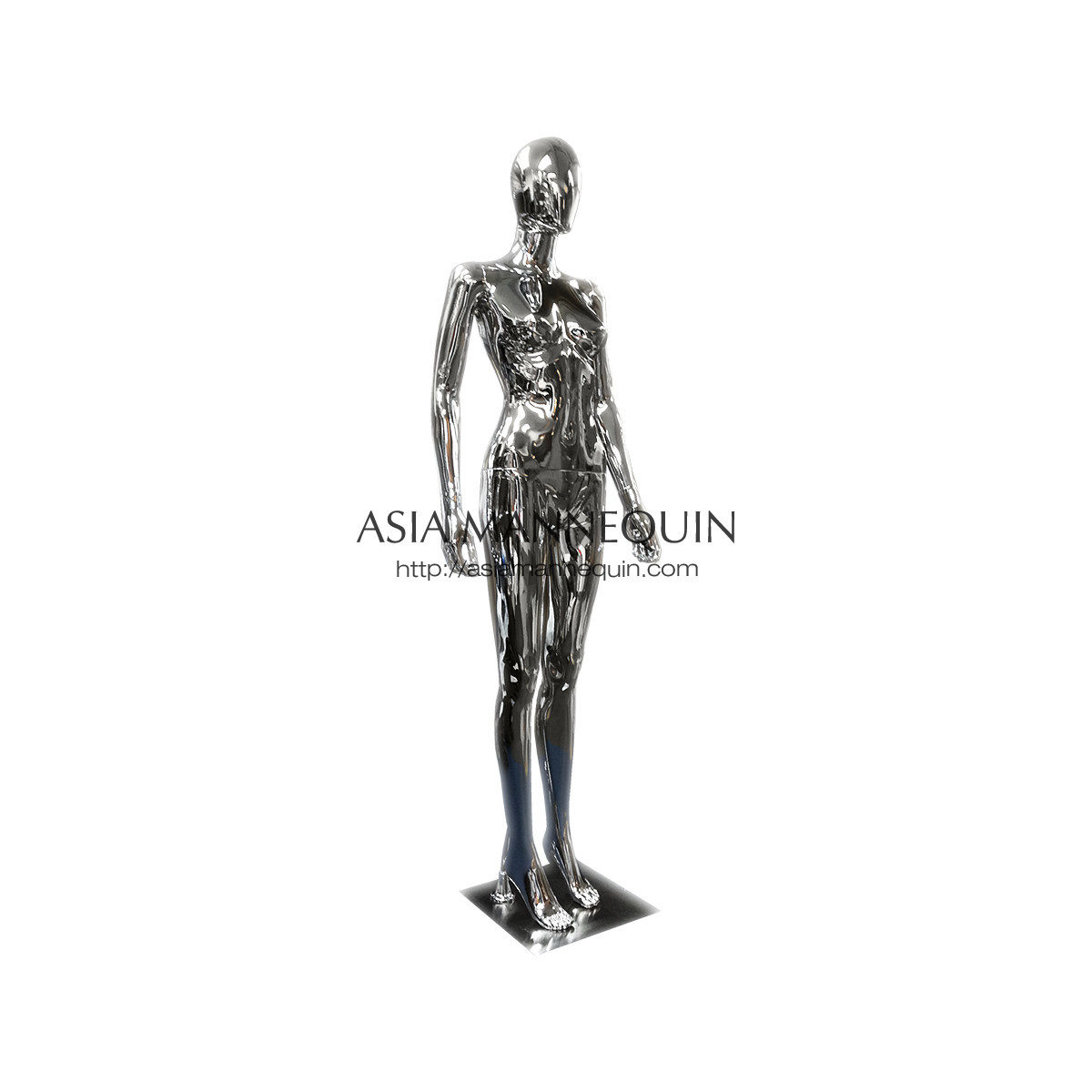
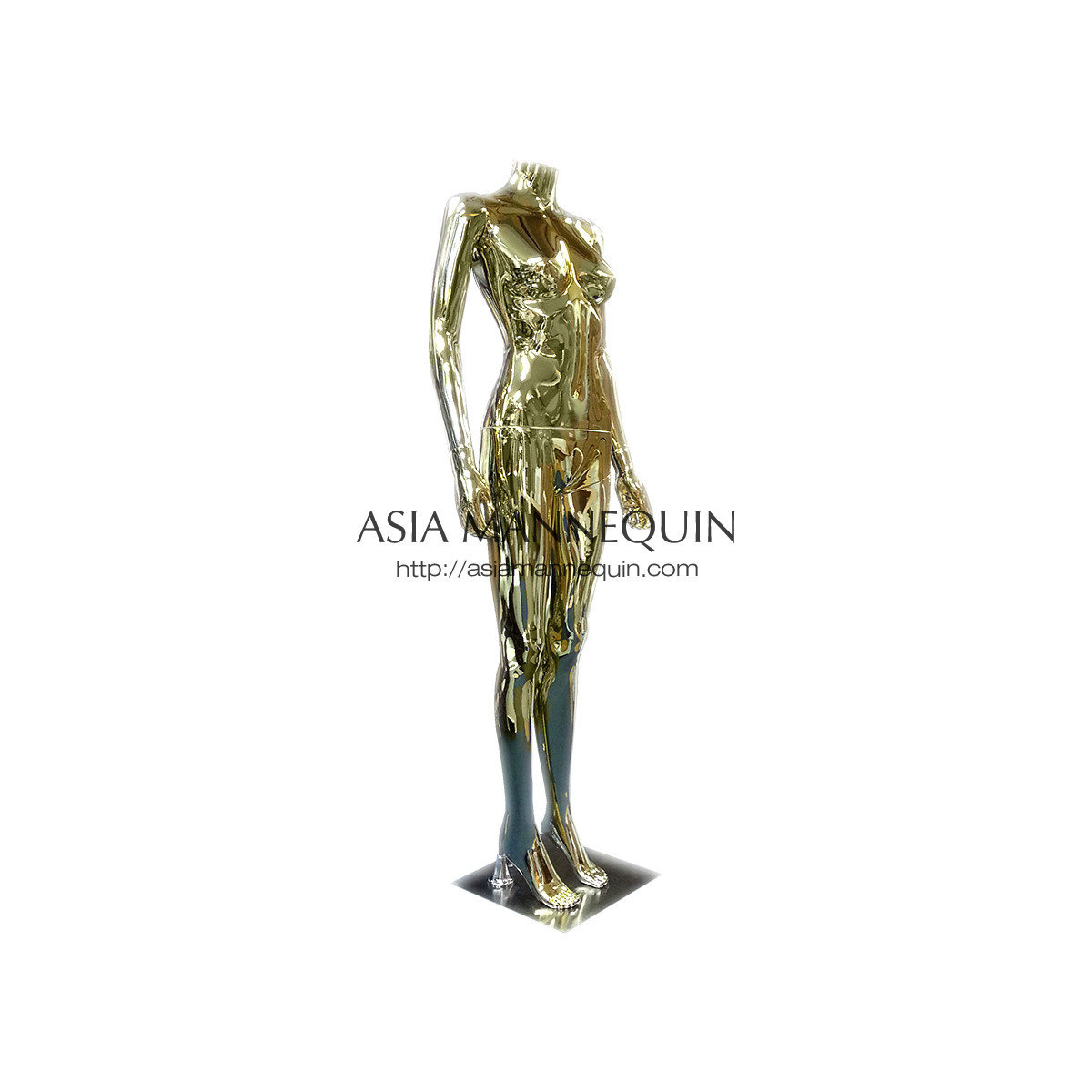
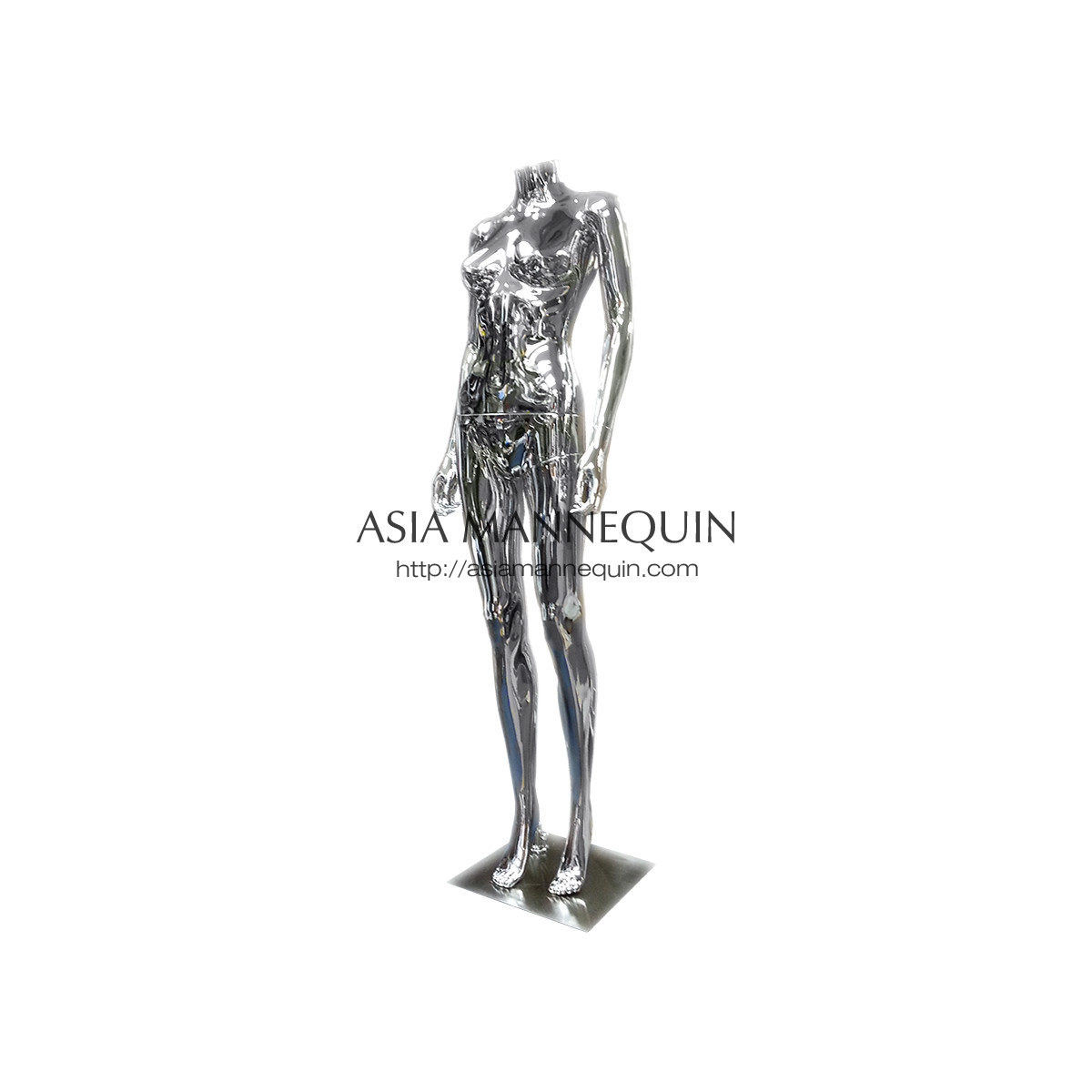
A mannequin shows a finished outfit on a full body. A dress form gives you a torso you can pin, drape, and redress in a minute. Pick by the work you do daily: styling whole looks says mannequin, working one garment at a time says dress form.
Most shops that ask us this question end up needing one of each. But if the budget covers only one, the sections below will tell you which one earns its spot first.
The usual problem. A boutique buys a full mannequin for the shop floor because it looked striking in the catalogue. It gets dressed once. Dressing it again means removing arms, threading sleeves over wrists, and balancing the whole figure back onto its base, so nobody does. The same shop could have redressed a dress form every single morning in the time it takes to make the coffee.
What Each One Is Built to Do
A mannequin is a full figure: head or headless, arms, legs, a pose, and a base. It exists to show a complete look the way it reads on a body, shoes included. It is a silent salesperson for an outfit.
A dress form is a torso on a stand. The classic version is wrapped in linen or fabric over a shell you can push a pin into. Many stands adjust in height. It exists to hold one garment well, and to let you shape that garment with pins until it sits the way you want.
Same family, different jobs. The mistake is buying one to do the other’s work.
Choose a Mannequin When the Outfit Is the Story
Windows sell outfits, not garments. A passer-by gives your window a second or two, and a full figure wearing the whole look, top to shoes, is what stops them. If your display needs to say “this is how you would wear it,” a mannequin is the only tool that says it.
Mannequins also carry attitude. A pose, a turned shoulder, a stride: these give a window energy that no torso on a pole can match. Stores building a strong visual identity across several windows usually standardise on a family of figures with matching poses and finishes.
Choose a mannequin for full looks, for footwear, for windows that tell a story, and for any display where the customer should imagine a whole person wearing your stock.
Choose a Dress Form When You Work Garment by Garment
A dress form wins on speed and touch. One person slips a blouse on, pins the waist from behind so it fits the form, and the garment looks tailored in under a minute. That speed means the display actually changes, daily if you like, because changing it costs nothing.
The pinnable body is the point. You can nip a size in, roll a sleeve and pin it to stay, or drape a scarf exactly where you want it to fall. None of that works on a hard fiberglass body.
Dress forms also bring a softer look. A linen-wrapped torso on a wooden tripod reads warm and hand-made, which suits boutiques, bridal shops, and stores selling craft or heritage. And tailors and alteration shops barely need convincing: for fitting work, the dress form is the trade’s oldest tool.
For Online Sellers and Photo Work
If you shoot garments for a web store, start with a dress form. It holds every piece at the same height and angle, so your product pages look consistent shot after shot. Pins shape each garment so it photographs fitted rather than limp, and swapping pieces between shots takes seconds.
A mannequin earns its place in photo work when you need full-length looks for a lookbook or a campaign. For the daily grind of catalogue photos, the form is faster and kinder to the garments.
Space, Weight, and Handling
A dress form is light enough to carry in one hand and small enough to stand on a counter, in a corner, or beside the fitting room. Most adjust in height, so the same form works on the floor one month and on a display table the next.
A full mannequin needs floor room, a clear path to carry it through, and ideally a second pair of hands for a safe move. None of that is a reason to avoid one. It is a reason to place it where it will stay for a while, and to let the dress forms handle the spots that change weekly.
The Pair That Covers Most Shops
The setup we suggest most often is one of each. A mannequin in the window carrying the full look, restyled with each campaign. A dress form inside, at the counter or by the entrance, redressed every morning with whatever came in or whatever is moving. The window pulls people in, the form keeps regulars seeing something new.
The pair also splits the work sensibly. The window change is a planned job you do with each campaign, steamer out and shoes matched. The form change is a thirty-second habit at opening time. Shops that try to do both jobs with one full mannequin end up doing neither well.
Quick Answers
- Show whole outfits with shoes: mannequin.
- Redress the display daily: dress form.
- Pin, tuck, and shape garments to fit: dress form.
- Shoot a web store catalogue: dress form first.
- Give a window presence and attitude: mannequin.
- Only room or budget for one, and no window: dress form.
If you are still torn, look at your own habits. A display you will actually change every week beats a striking one you dress once and abandon. Buy the tool you will use.
A form that dresses in a minute
Browse the dress form range below, add what fits to your quote, and tell us where it will stand. We have matched forms and figures to Singapore shops for over a decade.


