
Rent mannequins when the display has an end date. Buy them when it does not. A weekend fair, a month of pop-up, a photo shoot, a launch event: rent. A shopfront window, a permanent floor, a showroom you restyle all year: buy.
That one rule settles most cases. The rest of this guide covers what the rule leaves out: the costs owners forget, what to check before you sign a rental, and why many stores end up running both.
The usual problem. A brand books a weekend booth at a mall atrium and buys six mannequins for it. The booth closes on Sunday night. Now the figures need a van, then a storeroom, and they stand in that storeroom for a year. When the next event comes around, the theme calls for a different finish anyway. The booth lasted two days. The storage bill did not.
Rent When the Display Has an End Date
Rental exists for short work. Trade fairs, atrium booths, pop-up stores, fashion shows, photo and video shoots, and seasonal campaigns all end on a known date. Renting matches the cost to those dates and nothing more. When the event closes, the figures leave with the rental van, and your part is done.
The quiet benefit is logistics. A rented mannequin arrives before your setup day and gets collected after teardown. You never queue at the loading dock with a torso under each arm, and you never discover on the night that a full figure with a straight arm does not fit in your car. For a booth that opens at ten in the morning, that is worth more than most people expect.
Renting also lets you test. If you are trying a new look for your window, rent the figure style first and stand it in the real space for a few weeks. If the look sells, buy that style with confidence instead of guessing from a catalogue photo. The rental fee buys you certainty before the bigger spend.
Buy When the Figure Works Every Day
A mannequin on a permanent shop floor earns its keep daily. If the figure will stand in your window or on your floor for a season or more, buying wins. You restyle whenever you like, you never watch a return date, and the finish stays consistent with your brand month after month.
Ownership also suits stores that restyle often. A window changed every week or two needs figures you can dress at closing time without paperwork. An owned mannequin becomes part of the shop’s toolkit, like the steamer and the rails. Nobody thinks twice about handling it, and that ease shows in how often the display gets refreshed.
There is a brand reason too. A store that runs the same figures for years builds a look. Matching poses, matching finishes, the same silhouette in every window. That consistency is hard to hold with rented stock, because the exact figure you had last quarter may be out with another client this quarter.
The Costs Owners Forget
Buying looks simple until the mannequin comes home. Three costs hide behind the purchase price, and they are the reason the rent-or-buy question deserves real thought.
Storage. Space in Singapore is never free. A full-body figure with its base takes real floor area, and off-season figures hold that area for months at a time. Before you buy, look at the corner of the storeroom the figure will occupy between uses. If that corner does not exist, the mannequin will live on your sales floor whether it suits the season or not.
Transport. Mannequins are bulky rather than heavy. Arms, wrists, and torsos come apart, but the torso still wants a van, padding, and a careful pair of hands. Every move risks a chipped finger or a scuffed shoulder, and scuffs on a glossy finish are the first thing a customer sees through glass.
Upkeep. Finishes scuff, bases scratch, and a figure that looked sharp on day one looks tired after a few rough seasons. Owned figures need wiping down, the occasional touch-up, and sometimes a replacement part. None of it is hard, but all of it is yours once you own the figure.
What to Check Before You Rent
Four things settle most rental headaches before they start.
- The condition of each figure before it ships, ideally with photos, so wear that arrived with the figure is never billed to you.
- The base type. A glass base looks clean in a window; a solid metal base stands up better to a busy booth with foot traffic on all sides.
- Delivery and collection windows, matched to your venue’s loading dock rules. Malls are strict about timing, and a missed slot can cost you your setup evening.
- The damage terms, in writing, including what counts as fair wear and what does not.
A good rental partner answers all four without being asked. If the answers come slowly, keep looking.
What to Check Before You Buy
Buying has its own short list. See the finish under your own lighting, not the warehouse’s, because a white that looks soft under showroom light can turn stark under retail spots. Confirm one person can dress the figure alone, since a mannequin that needs two people gets restyled half as often. And ask whether the supplier keeps the model in regular stock, so the figure you add next year matches the ones already on your floor.
A Simple Test
- The display will still be standing in three months: buy.
- The event ends within weeks: rent.
- You are testing a new window concept: rent first, buy what works.
- You restyle weekly with the same figures: buy.
- You need extra figures for one launch week: rent the extras, keep your core.
Plenty of stores land on both. They own a small core fleet for the floor and rent on top of it for launches, fairs, and the year-end rush. The core stays consistent, the peaks stay covered, and nobody pays a year of storage for a booth that lasted two days.
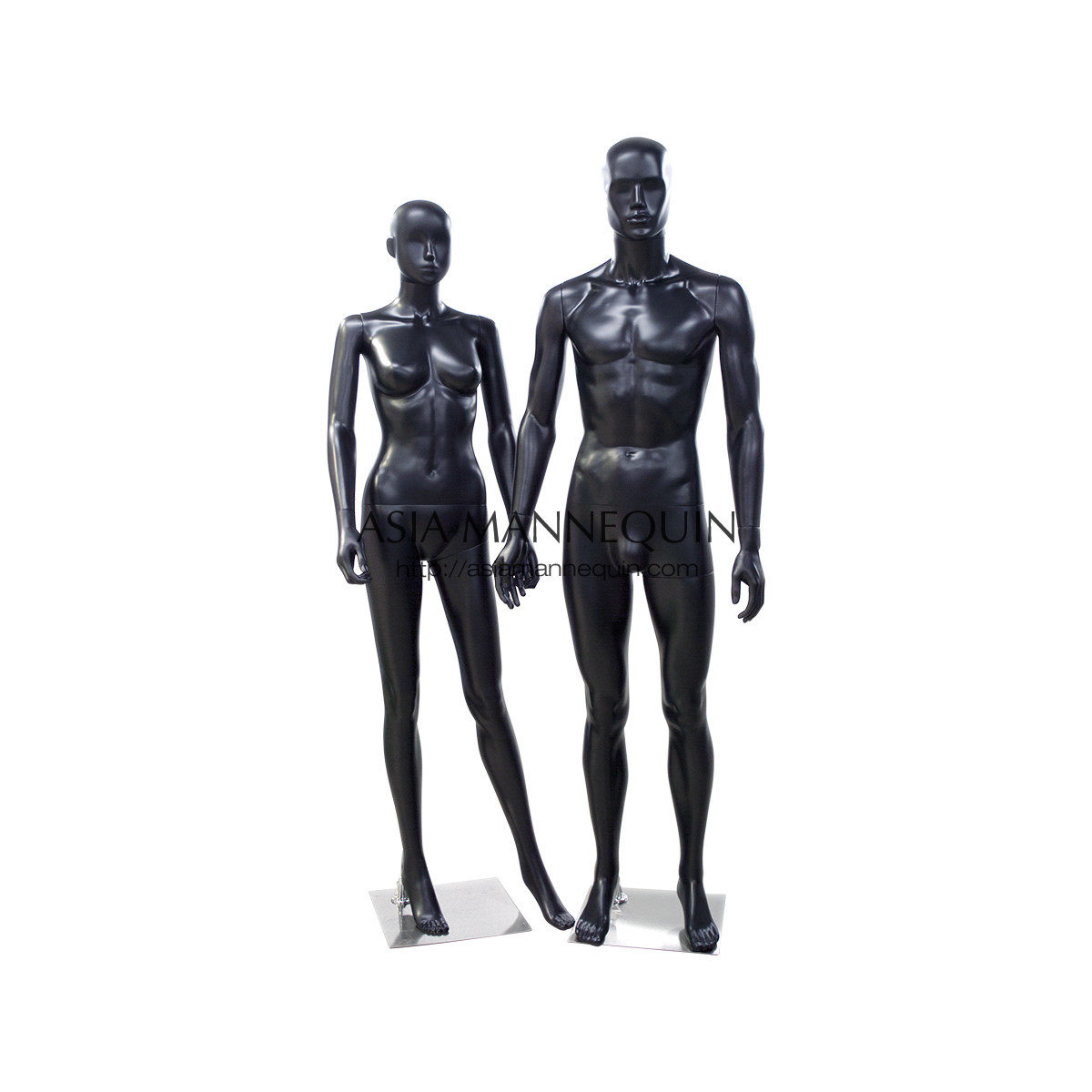
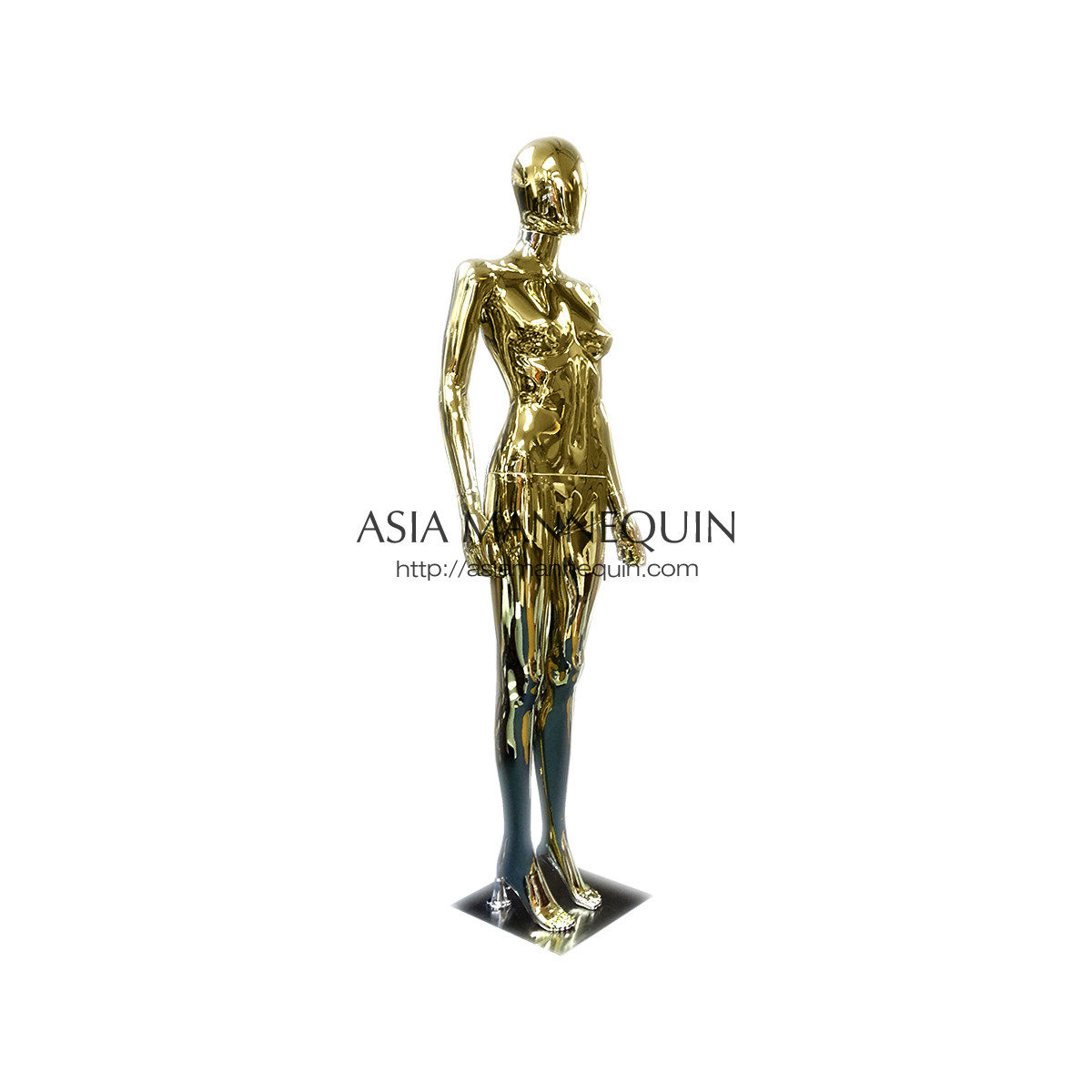
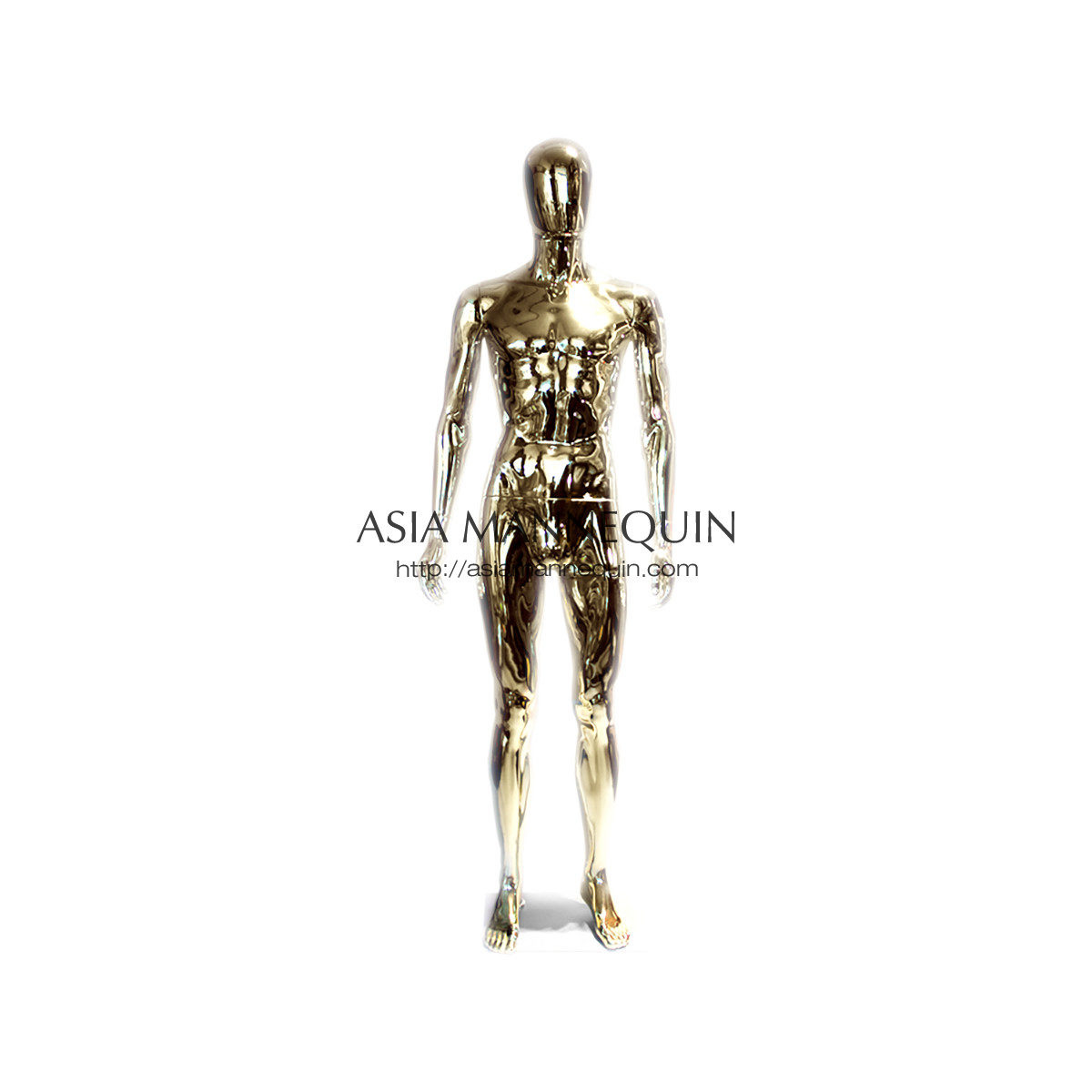
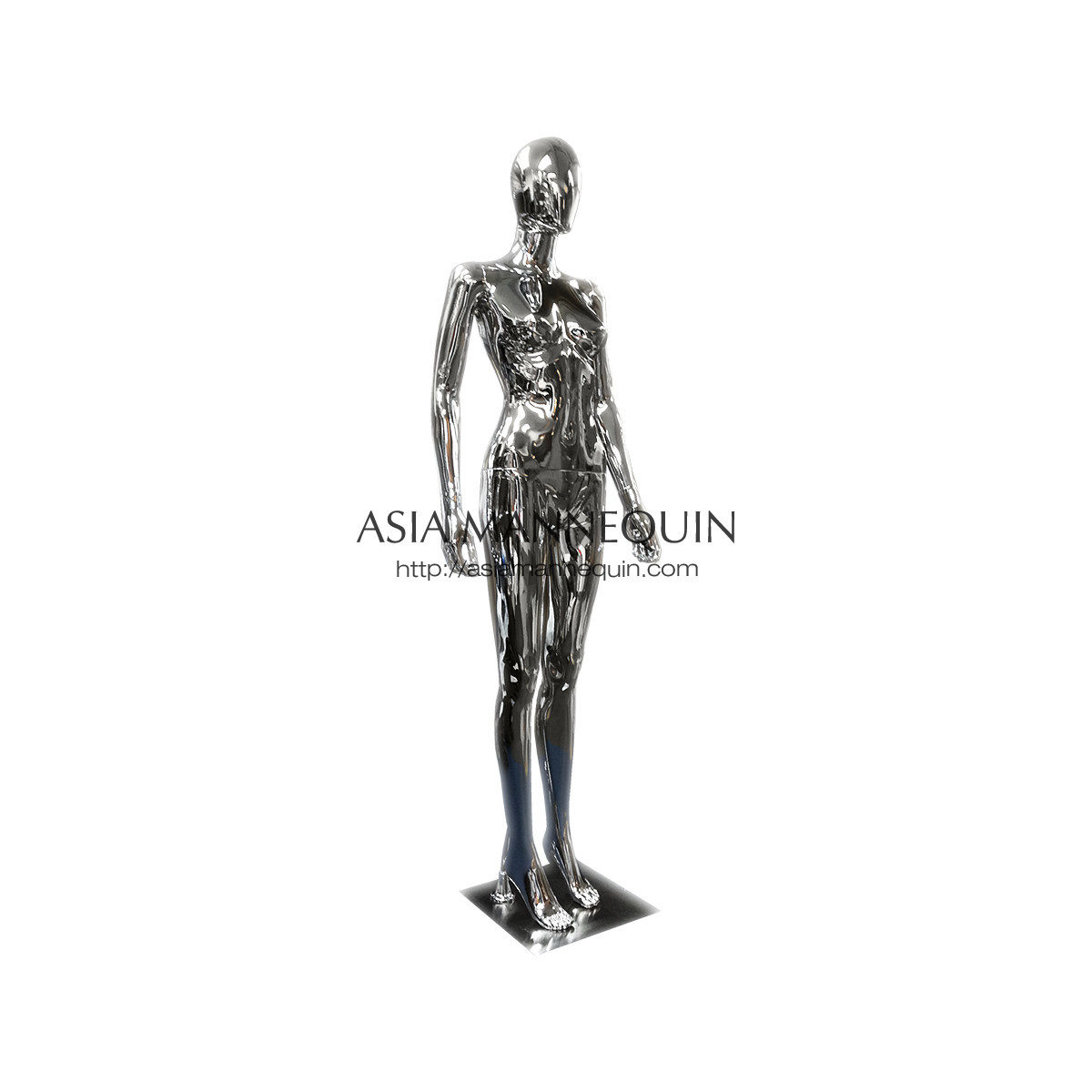
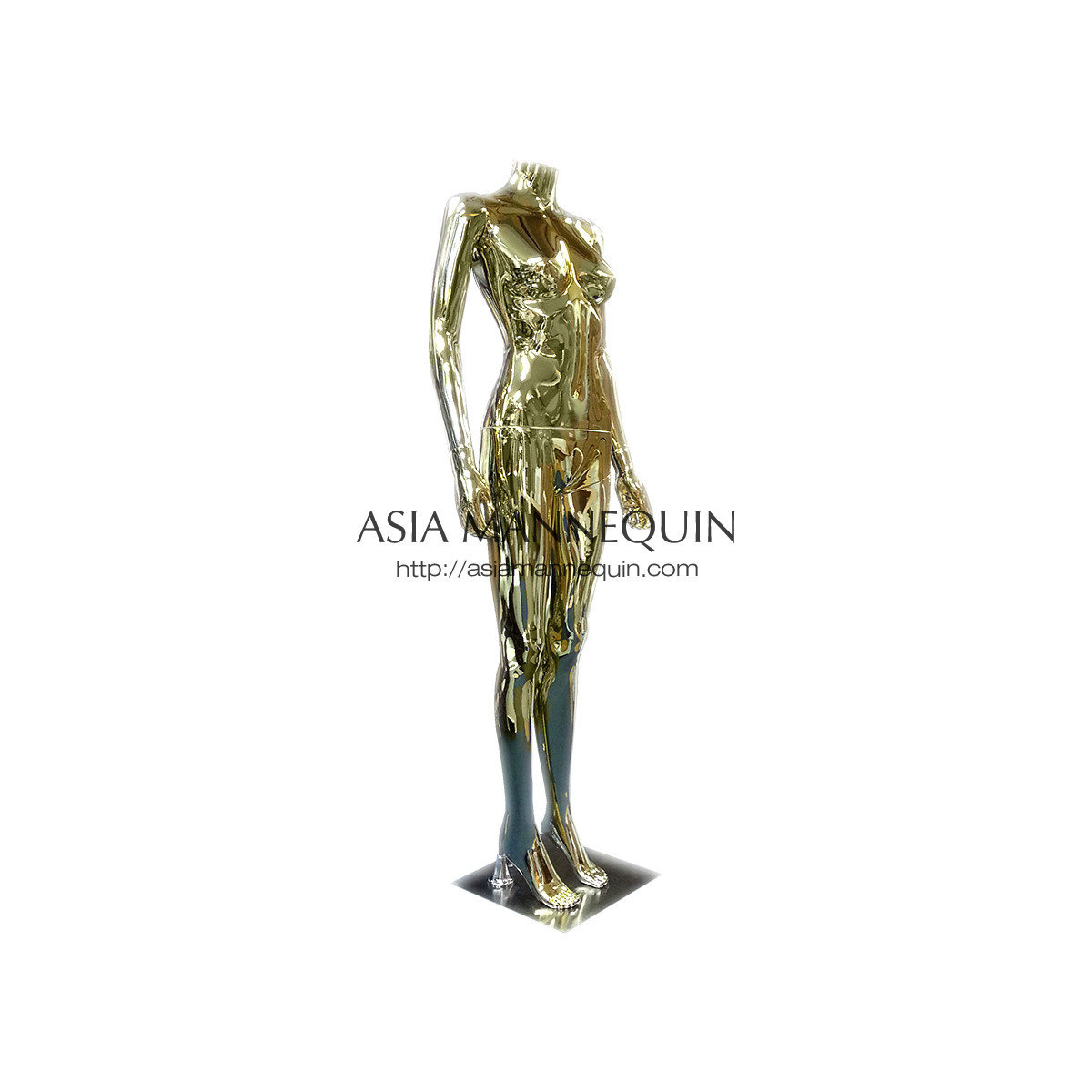
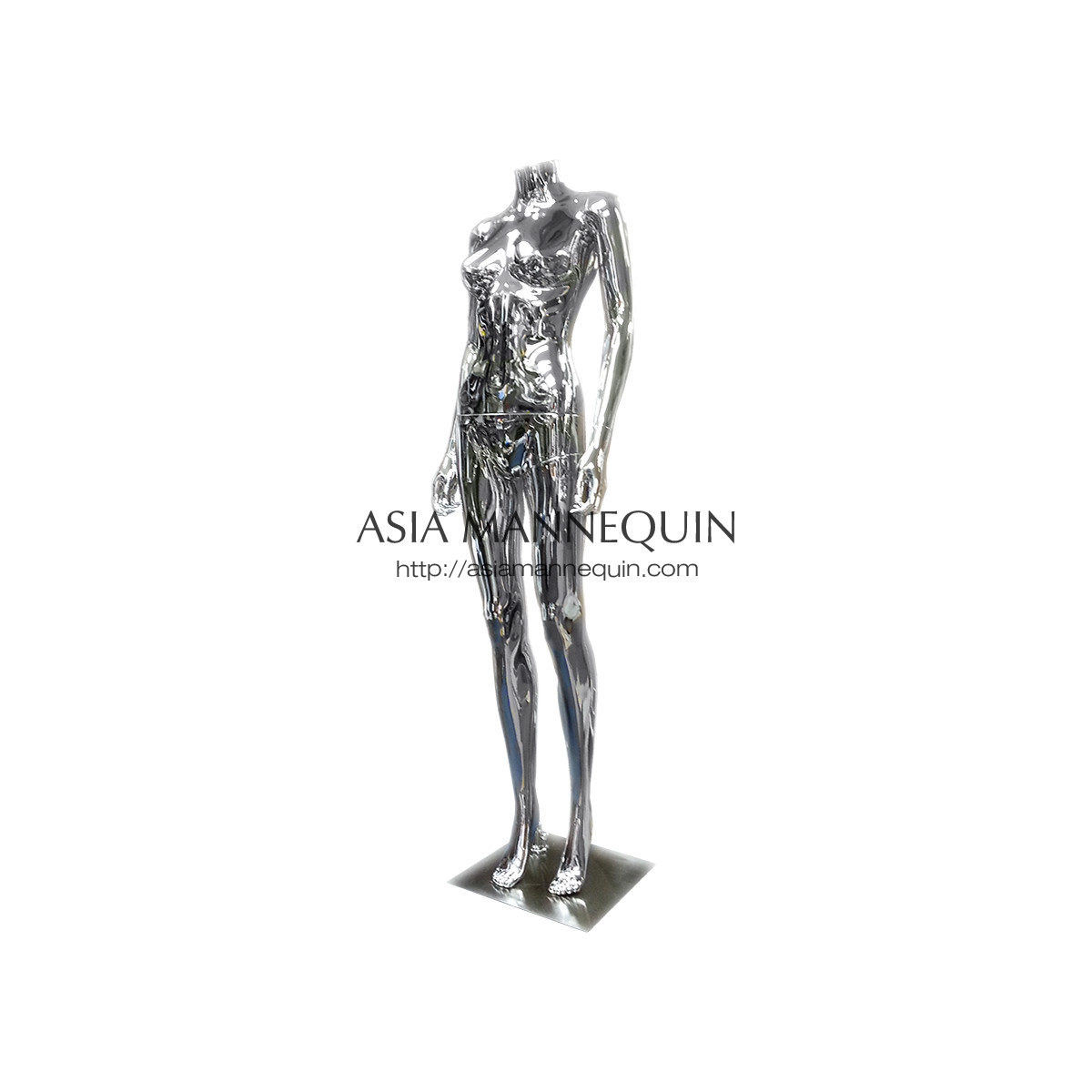
Mannequins ready for your dates
Browse the rental range below, add what fits to your quote, and tell us your delivery and collection dates. We have kitted out pop-ups, booths, and shopfronts across Singapore for over a decade.


